
Why 1 Million+ Americans Are Starting Businesses in 2026 (And How You Can Too)
Why 1 Million+ Americans Are Starting Businesses in 2026 (And How You Can Too)
The Numbers That Should Grab Your Attention
3 Big Reasons Americans Are Starting Businesses Right Now
Traditional Jobs Feel Less Safe Than Ever
Starting a Business Has Never Been More Accessible
The Economy Rewards Founders Who Move Fast
But Here's the Problem Most Aspiring Founders Face
Something historic is happening in America right now. More people are starting small businesses than at any point in the last two decades — and most of them are doing it with less money, less experience, and less time than you'd expect. Here's what's driving it, and how you can be next.
The Numbers That Should Grab Your Attention For Small Business Startups
Between November 2024 and January 2025, American entrepreneurs filed 1.56 million business applications — the highest number recorded for any three-month period since tracking began in 2004.
Let that sink in.
That's not people daydreaming about starting a business. Those are formal applications. Real intentions backed by action.
And 2026 is continuing that momentum. Over 5.9 million new businesses have already been formed nationwide this year, with no signs of slowing down.
So what's driving this? And more importantly — why now?
3 Big Reasons Americans Are Starting Businesses Right Now
Traditional Jobs Feel Less Safe Than Ever
The old career playbook — get a good job, stay loyal, retire comfortably — is cracking.
In 2025, the U.S. added just 116,000 jobs for the entire year. Compare that to 1.46 million jobs added in 2024. Job cuts announced in January 2025 hit their highest level at the start of any year since 2009.
AI alone was cited in roughly 8% of all job cut announcements in early 2026 — tens of thousands of roles eliminated not due to bad performance, but because the technology can now do the work faster and cheaper.
The result? People are no longer waiting to be laid off. They're leaving on their own terms — and building something they own.
"In terms of national culture, I think there's been this drift away from large, bureaucratic institutions into entrepreneurship and startup culture." — Todd McCracken, President & CEO, National Small Business Association
Starting a Business Has Never Been More Accessible
The barriers that used to stop people — needing a physical store, a big team, expensive software, or a massive budget — are largely gone.
AI tools can now help you build a website, write your marketing copy, create a business plan, and even manage customer follow-ups. What used to require a team of 10 can often now be done by a single focused founder.
Small businesses with the right systems are competing with companies 10x their size — and winning.
The gap between "having an idea" and "running a real business" has never been smaller.
The Economy Rewards Founders Who Move Fast
Here's something the mainstream headlines miss: small business owners are actually thriving.
In late 2025, nearly 9 in 10 small business owners reported their business health as steady or improving. Over 70% expected revenues to grow in the coming year. Small businesses now account for 43.5% of U.S. GDP and have been responsible for 61% of all new jobs created since 1995.
This isn't a moment of desperation. It's a moment of opportunity.
But Here's the Problem Most Aspiring Founders Face
The data says the opportunity is real. The motivation is there. But most people who want to start a business still don't — or they start and spend 6–12 months going in circles.
Why?
Not because they lack passion. Not because the market isn't there. But because of this:
They don't know what to do first.
Should you start with a logo? A website? An LLC? Social media? A CRM? Do you need ads? How do you even get your first client?
Most founders end up:
Hiring one freelancer for a logo, another for a website, a third for SEO — and nothing connects
Wasting months on DIY that looks amateur
Watching competitors who launched 3 months later already get clients
Meanwhile, competitors who launched with the right foundation — professional branding, a conversion-ready website, automated follow-up systems — are signing clients while you're still figuring out your color palette.
The gap isn't passion. The gap is a system.
The 28-Day Solution: Exter Marketing's Startup Kit
After working with 120+ businesses, we built something specific to solve this exact problem.
The Exter Marketing Startup Kit is a done-for-you launch system that takes you from "I have a business idea" to "I have a fully operating, client-ready business" — in just 28 days.
No juggling freelancers. No months of guesswork. One team handles everything.
Here's what's built for you:
✅ Days 1–6: Foundation & Positioning We research your competitors, define your market position, secure your domain, and set up your business email. You know exactly who you are and how you're different — before we build a single thing.
✅ Days 7–12: Professional Brand Identity Logo, color palette, typography, and brand guidelines — designed to make you look like an established business from day one. Real clients judge you in 3 seconds. We make those 3 seconds count.
✅ Days 13–18: Conversion-Ready Website + CRM A 10–12 page, mobile-responsive, SEO-optimized website — built on competitor research and designed to turn visitors into inquiries. Plus a full CRM setup (Go High Level) with pipelines, booking calendar, and 20+ automations.
✅ Days 19–24: SEO, Social Media & Automations On-page SEO, Google My Business setup, social media profiles — and automated systems like missed call text-backs, nurture email sequences, and auto-replies. People find you. Your system responds. You focus on delivering.
✅ Days 25–28: Testing, Launch & Go Live Every form, funnel, and automation tested. Retargeting set up. Full walkthrough call. Then — launch day.
By the end of 28 days, you're not just "open for business." You're operating like a company that's been around for years.
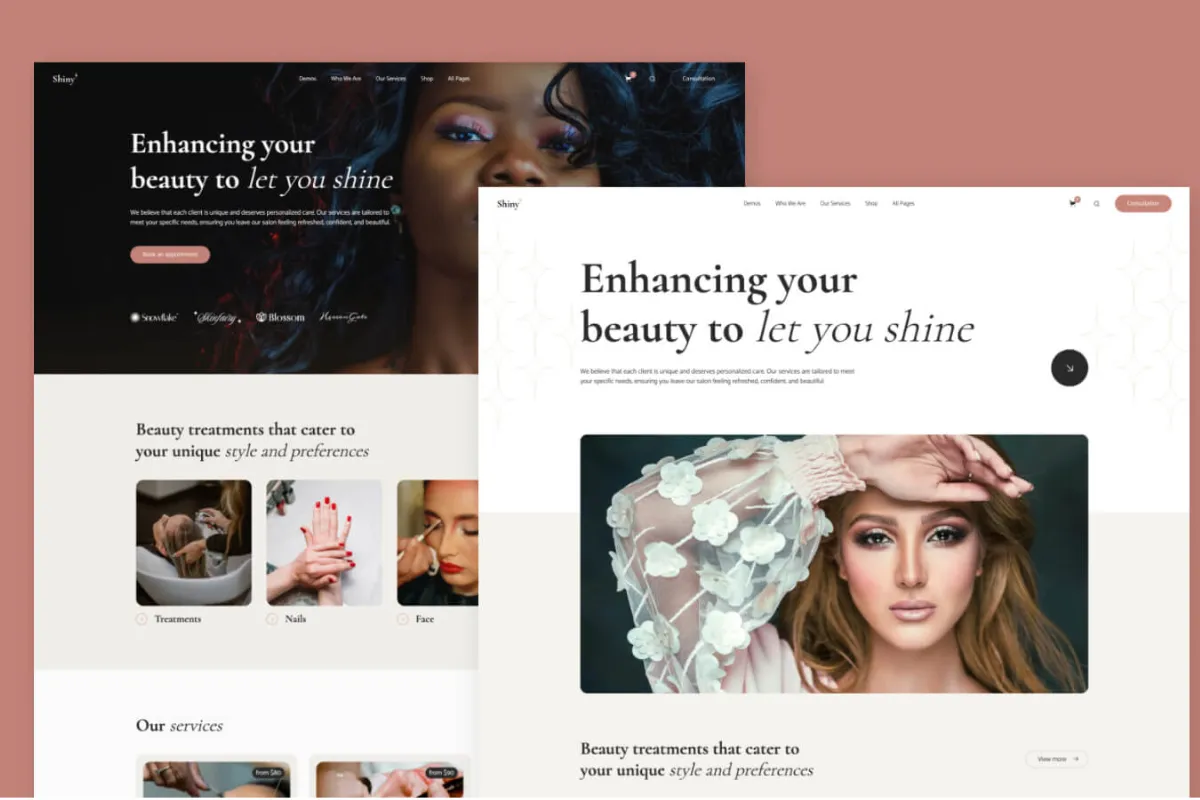
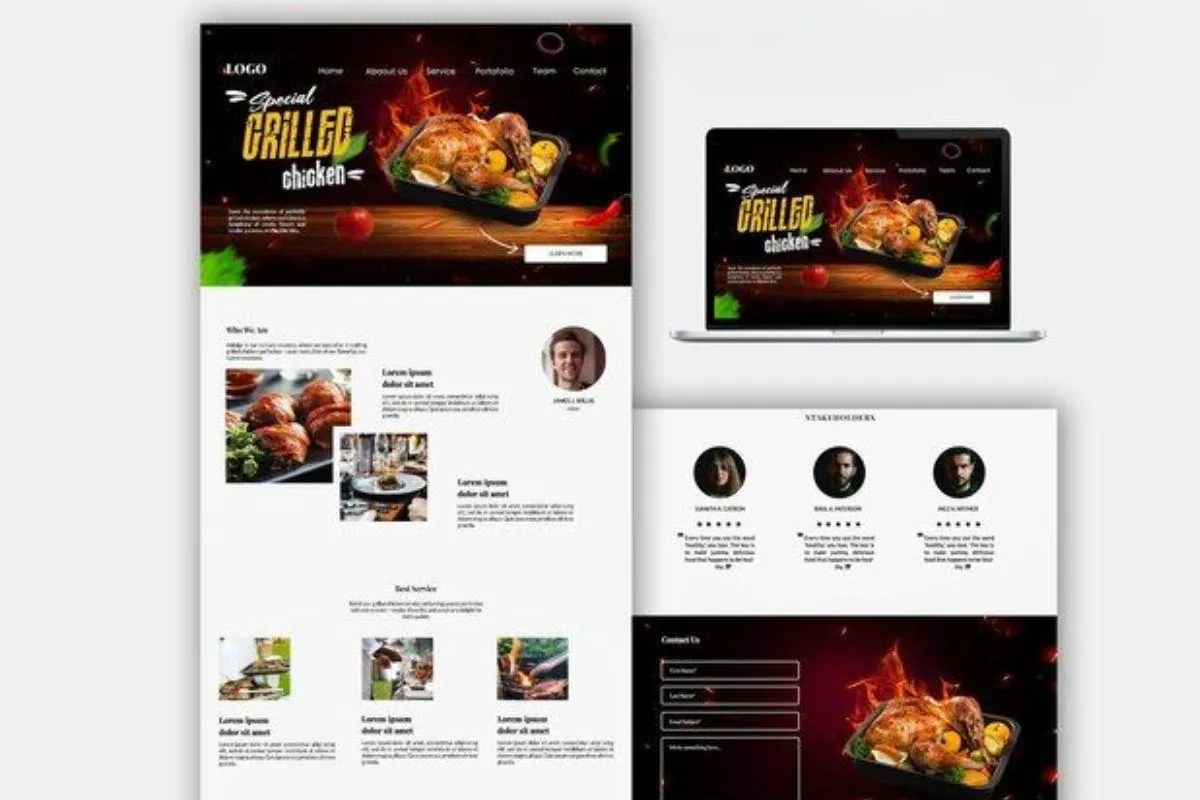
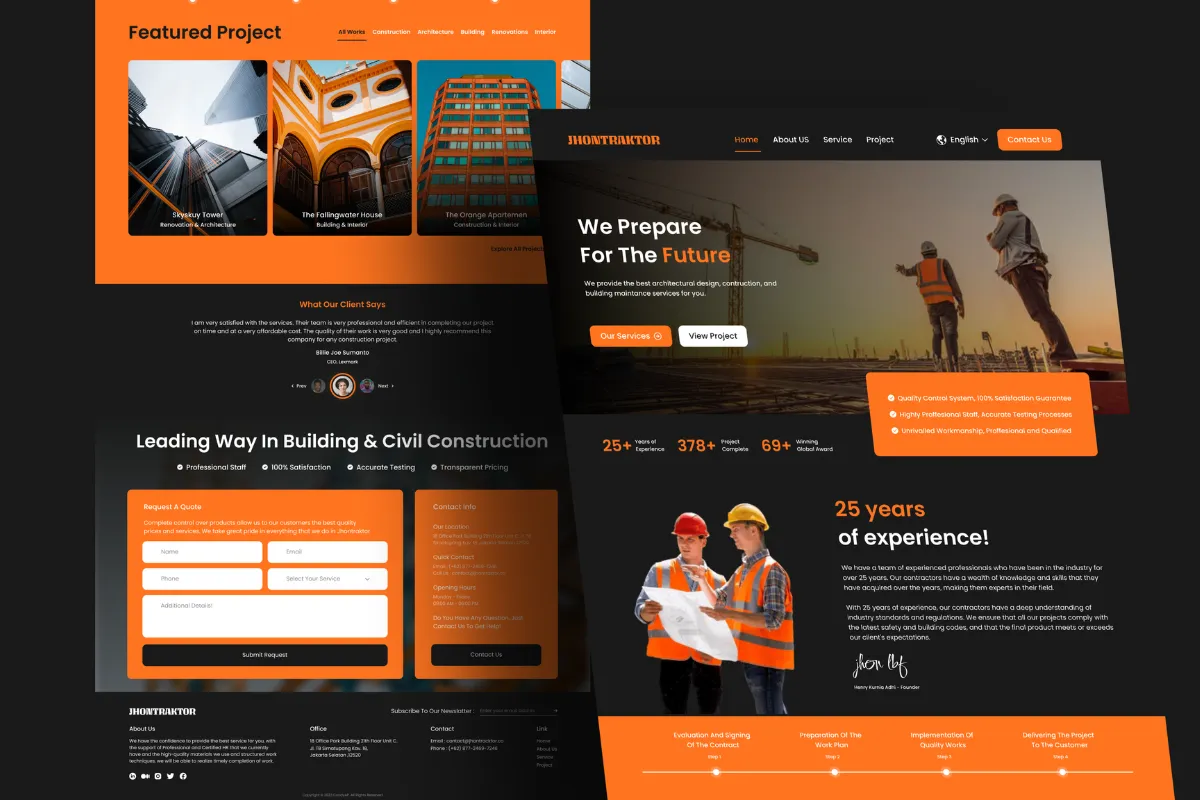
We at Exter Marketing help SME'S and startups to set up their website or redesign it
What Makes This Different?
Most startup packages give you a logo and call it a day.
The Exter Startup Kit is your entire business engine — strategy, brand, website, CRM, SEO, social media, automations, and a done-for-you launch — for the price of what other agencies charge for a website alone.
Plus, there's a bonus most agencies won't offer:
🎁 Get Your First Client Before You Pay
If you have an existing database of contacts — even just past customers or warm leads — we'll run a Database Reactivation Campaign on your behalf using your complimentary Go High Level CRM. The goal: land your first paying client before our invoice is even due.
Zero risk. Real results.
Is This For You?
The Startup Kit is built specifically for:
Solo founders launching their first business who feel overwhelmed with where to start
Small business owners who need a professional system to compete and scale
Coaches, consultants, and service professionals who want a done-for-you client acquisition engine
If you've been sitting on a business idea for months — waiting until you "feel ready" — this is your sign that the window is open right now.
Over a million Americans have already jumped in this year. The ones who launched with a solid system are already signing clients.
Ready to Launch in 28 Days?
The market is moving. The opportunity is real. The only question is whether you'll build something that lasts — or piece it together and hope for the best.
👉 Book a free call and claim your Startup Kit →
No commitment. No sales pressure. Just a 20-minute call to see if it's the right fit for your business.
FAQs: Before you start your small business
Is 2026 a good time to start a small business?
Yes. Business applications in the U.S. are at a 20-year high, with over 5.9 million new businesses formed in 2026 alone. A weak job market, AI tools that lower startup costs, and strong small business owner sentiment all point to this being one of the best windows in recent history to launch. Nearly 9 in 10 existing small business owners reported their business as steady or growing heading into 2026.
How much does it cost to start a small business in 2026?
It varies widely by industry, but 64% of small business owners start with less than $10,000. Many service-based businesses — coaching, consulting, cleaning, marketing — can launch for under $5,000 if they have the right systems in place from day one. The bigger cost most founders don't account for is time wasted piecing together freelancers and DIY tools without a strategy.
What do I need to start a small business?
At minimum: a clear service or product, a professional brand identity, a website that converts visitors into leads, a way to manage clients (CRM), and a system to follow up automatically. Most founders underestimate the last two — which is why many launch but struggle to get their first client consistently.
How long does it take to launch a small business?
Legally, you can register a business in as little as 1–3 days in most U.S. states. But being truly "launch-ready" — with a professional brand, optimized website, CRM, and client acquisition systems — typically takes founders 3–6 months on their own. With a done-for-you system like the Exter Marketing Startup Kit, that timeline compresses to 28 days.
Why do most small businesses fail in the first year?
The most common reasons are poor market fit, running out of cash, and no consistent way to get clients. But an underrated cause is launching without a professional system — no clear brand, no website that converts, no automated follow-up. First impressions decide whether a potential client trusts you or moves on. Most early-stage businesses lose clients they never even knew they had.
How do I get my first client when starting a business?
The fastest path to a first client is your existing network — past colleagues, contacts, or anyone who already knows you. A Database Reactivation Campaign (reaching out to old contacts with a clear offer) consistently produces first clients faster than any paid ad. After that, local SEO, Google My Business, and a referral system are the highest-ROI channels for new businesses.
Do I need a website to start a business in 2026?
Yes — and it needs to be more than a digital business card. A high-performing business website in 2026 should be mobile-optimized, SEO-ready, connected to a CRM, and designed to convert visitors into booked calls or inquiries. Social media profiles alone are not enough because you don't own that audience and algorithms control your reach.
What is a startup kit for small businesses?
A startup kit is a bundled system that gives a new business everything it needs to launch professionally — typically including branding, a website, CRM setup, SEO foundations, and marketing automations. Rather than hiring separate freelancers for each piece, a startup kit delivers it all through one team with a unified strategy, usually in a defined timeframe like 28 days.